What Will Happen to the NYC Housing Market in 2026 Expert Forecast
The housing market in New York City in 2026 is shaping up to be a year of transition and opportunity. After several years of tight inventory, elevated prices and shifting buyer behavior, the market appears to be entering a more balanced phase. While national housing trends influence momentum, NYC operates on its own cycle shaped by local employment growth, international investment, limited land supply and borough specific dynamics.
Below is what buyers, renters and sellers should realistically expect in 2026.
1. A More Active Home Sales Market Across NYC
In 2026, homes across Manhattan, Brooklyn and Queens are expected to move faster than in recent years. If mortgage rates stabilize in the low six percent range, more sidelined buyers may reenter the market. At the same time, slightly improved inventory levels could increase overall transaction activity compared to 2024 and 2025.
What This Means in NYC
• Sellers may receive offers more quickly, especially when properties are priced strategically
• Buyers will see more listings but must remain competitive and financially prepared
• Days on market could shorten in desirable neighborhoods
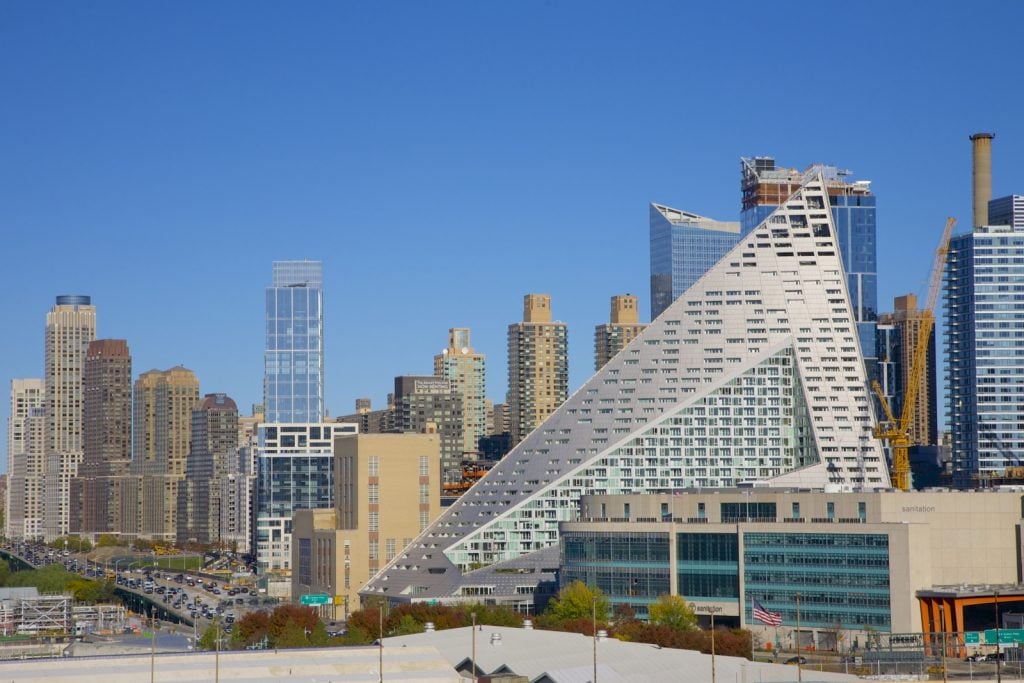
Luxury condos in Manhattan may see renewed international and investor interest. Brooklyn townhouses and Queens multifamily homes are likely to remain highly desirable due to space and relative value.
2. Co Buying and Alternative Ownership Will Increase
Affordability remains one of the biggest barriers in New York City. As a result, co buying is expected to rise in 2026. Friends, siblings and partners may pool resources to qualify for stronger purchasing power and better neighborhoods.
Why This Matters Locally
Multigenerational households become more practical in high cost boroughs
Small multifamily properties in Queens and Brooklyn gain stronger demand
Co op apartments continue attracting buyers seeking lower entry price points compared to condos
Creative ownership models are becoming normalized in high cost urban markets like NYC.
3. Continued Rent Pressure in High Demand Neighborhoods
Rental demand across New York City is projected to remain strong throughout 2026. While new development in certain corridors may offer temporary relief, vacancy rates in prime areas of Manhattan and Brooklyn are expected to remain tight.
Renter Takeaways
• Consider neighborhoods with new rental supply in parts of Queens and Brooklyn
• Prepare financial documentation early to compete effectively
• Expect competitive pricing for well located apartments
Units near major transit hubs, employment centers and lifestyle amenities will likely continue commanding premium rents.
4. Modest Price Growth and Gradually Improving Inventory
Unlike the dramatic appreciation seen earlier in the decade, 2026 is expected to bring moderate home price growth. Appreciation may remain in the low single digit range depending on borough and property type.
Key NYC Trends to Watch
• Mortgage rates hovering around the low six percent range
• Gradual increase in resale listings as sellers adapt to rate conditions
• Slight improvement in affordability though challenges remain
Manhattan luxury inventory may stabilize, while mid market segments in Brooklyn and Queens could experience steady demand driven by space preferences and neighborhood appeal.
5. Borough Specific Trends Will Shape the Market
New York City does not operate as one unified market.
Manhattan may experience stabilization in its condo segment
Brooklyn continues benefiting from strong residential demand and lifestyle appeal
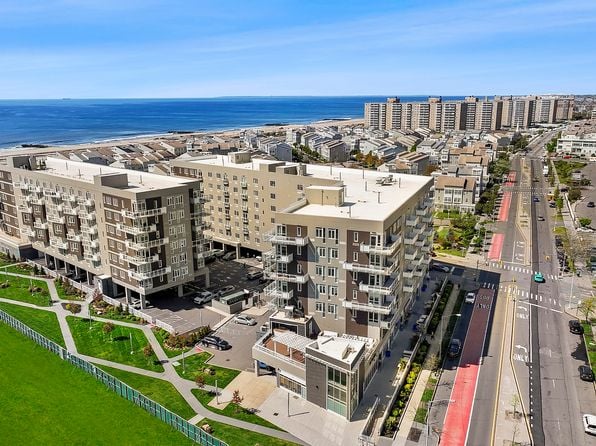
Queens may attract buyers seeking relative affordability and multifamily investment opportunities
Local job growth, evolving remote work patterns and neighborhood development projects will heavily influence performance in 2026.
Final Takeaway Strategic Planning Will Be Critical
The NYC housing market in 2026 is unlikely to experience a dramatic boom or downturn. Instead, it is positioning itself as a more balanced and active year.
Buyers who are financially prepared may find more options than in recent years. Sellers who price correctly and present properties well can benefit from renewed transaction activity. Renters should expect continued competition, especially in high demand neighborhoods.
In 2026, success will depend less on attempting to time the market and more on understanding borough specific trends and acting decisively when opportunities appear.